
How to Follow Up After Sending a Quotation
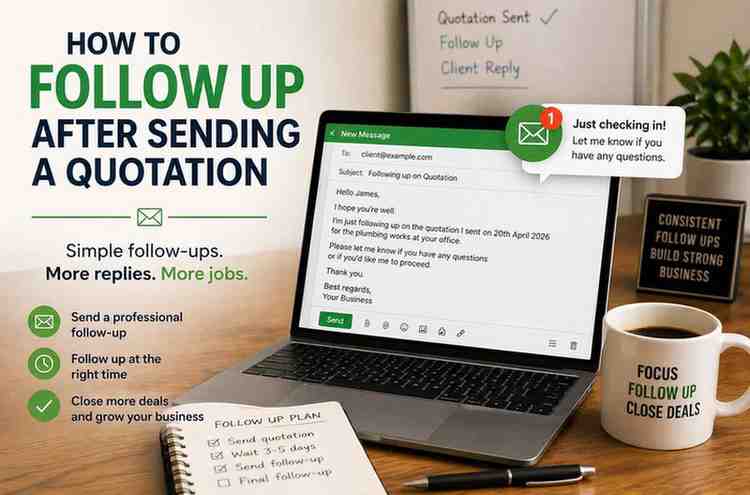
After sending a quotation to a client, many Kenyan freelancers and small businesses wait for a response that never comes. Instead of guessing what happened, sending a simple follow-up message can help you close more deals and keep your business moving.
Whether you're a contractor, designer, supplier, fundi, or service provider, following up professionally shows seriousness and helps clients make decisions faster. This guide explains when and how to follow up after sending a quotation.
1. Why Clients Don’t Reply to Quotations
In Kenya, clients do not always respond immediately after receiving a quote. This does not always mean they are not interested.
Some common reasons include:
- They are comparing quotes from multiple suppliers
- They need approval from a supervisor or partner
- They saw the message but forgot to reply
- They are waiting for funds or budget allocation
A polite follow-up helps remind them about your offer and keeps your business visible.
"Most deals are closed through follow-ups, not first messages."
2. When Should You Follow Up?
Timing is important when sending follow-ups. Following up too soon may appear pushy, while waiting too long may cause the client to forget about your quotation.
Recommended follow-up timing:
- Standard quotations — after 3 to 5 days
- Large projects — after 5 to 7 days
- Urgent jobs — after 1 to 2 days
If there is still no response, send one more follow-up after a few days.
3. How to Write a Professional Follow-Up
A good follow-up message should be short, polite, and direct. Avoid long explanations or repeated messages in a short time.
A strong follow-up message should:
- Greet the client politely
- Reference the quotation sent earlier
- Ask a clear question
- Offer help if clarification is needed
Keeping the message simple increases the chances of getting a response.
4. Example Follow-Up Message
You can send follow-ups through WhatsApp, SMS, or email depending on how you communicated with the client.
Example message:
Hello [Client Name],
I hope you're well. I'm following up on the quotation I shared on [date]. Please let me know if you have any questions or if you'd like me to proceed.
Thank you.
This type of message is polite and encourages the client to reply.
5. Always Include a Clear Question
Ending your follow-up with a question makes it easier for clients to respond.
Examples of clear questions:
- Would you like me to proceed with the work?
- Which date works best to start the project?
- Do you need any clarification on the quotation?
Questions guide the conversation and help move the project forward.
6. How Many Times Should You Follow Up?
Following up multiple times is acceptable, but it should be done professionally.
Recommended follow-up limit:
- First follow-up — after initial waiting period
- Second follow-up — after a few more days
- Final follow-up — if still no response
If the client still does not reply after 2 to 3 follow-ups, focus on new opportunities.
"Persistence builds business — but knowing when to move on saves time."
7. Stay Organised With Your Quotations
Tracking which quotations are pending helps you follow up at the right time. Without proper records, it is easy to forget important clients.
Keeping digital records allows you to quickly resend quotations and track responses efficiently.
Final Thoughts
Following up after sending a quotation is one of the simplest ways to win more jobs. Many clients do not respond immediately, but a polite reminder can make the difference between losing and closing a deal.
Professional communication builds trust, improves customer relationships, and increases your chances of getting paid.